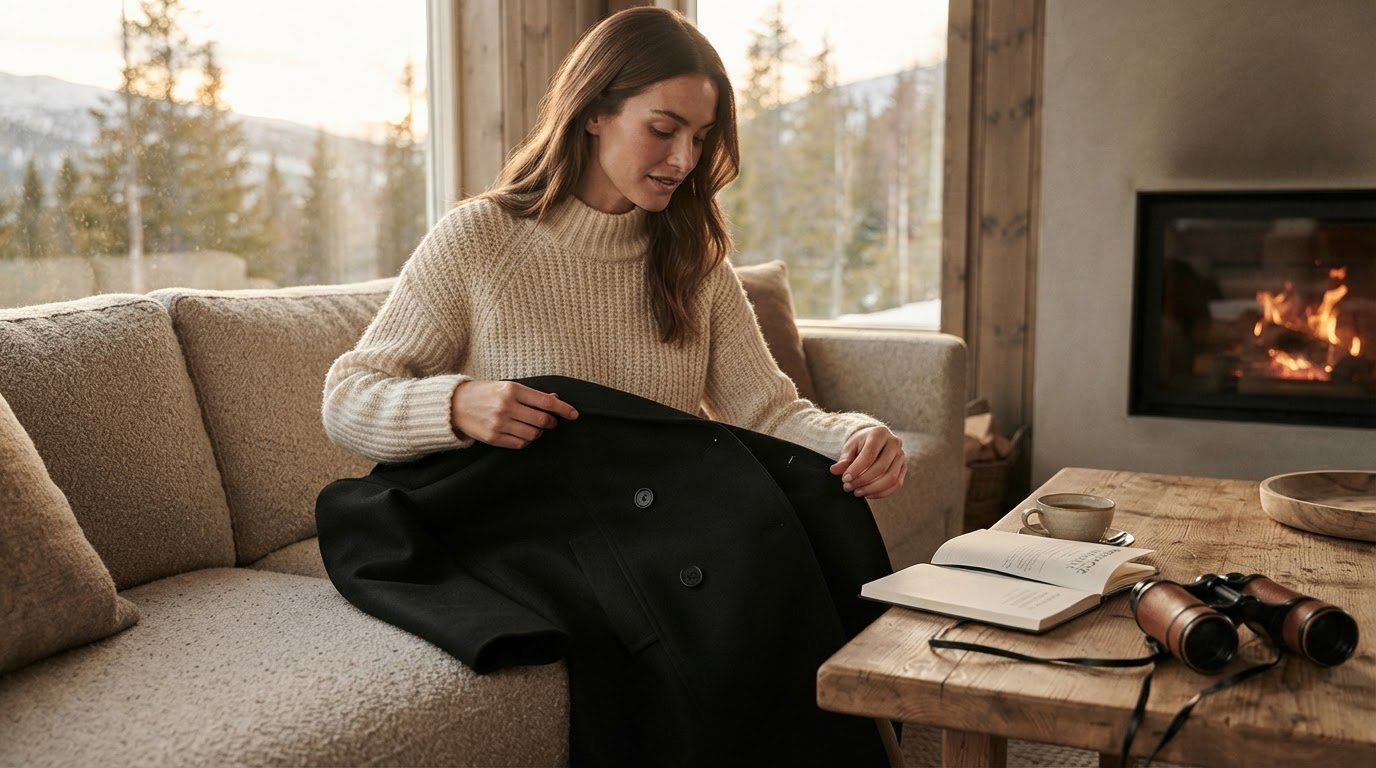
Selecting a Wool Blend Coat for Extreme Cold Climates
 Sam VasquezBuying Guide Lead
September 18, 2026 — Recent shifts in northern weather patterns have increased the demand for a Wool Blend Coat capable of handling sub-zero temperatures without the bulk of traditional parkas. As consumers prepare for harsher winters, the focus has shifted toward high-performance textiles that balance warmth with structural integrity. According to J.Crew, modern high-quality wool blends offer exceptional insulation while remaining lightweight and breathable, making them a viable alternative to heavy synthetic shells. I have spent the last season testing how these fabrics respond to wind chill and moisture, and the results vary significantly based on the specific blend ratio and lining construction.
The Three-Point Insulation Standard
When evaluating a Wool Blend Coat for extreme cold, I look at three specific metrics: the wool percentage, the weight of the interlining, and the closure design. A coat for severe weather should ideally feature at least 60% wool to ensure natural heat retention. In my testing, the Calvin Klein Classic Wool Blend Coat stands out for its soft texture, while the L.L.Bean Classic Lambswool Peacoat is frequently cited by Byrdie as a top performer for its dense weave. If you are comparing these to a mens wool blend winter coat, the primary difference often lies in the shoulder structure and the depth of the hand-warmer pockets. Between these two, I’d go with the L.L.Bean option for pure utility, as the lambswool provides a higher loft that traps more air than smoother, thinner blends. However, you should skip this if you live in a rainy climate where a technical shell is more practical than natural fibers. For those who need maximum coverage, a [long double breasted winter coat](/blog/long-double-breasted-winter-coat) provides an extra layer of fabric across the chest, which is critical when facing direct wind. If you're on a budget, look for a coat that utilizes a synthetic quilted lining rather than a thin satin one, as this provides a necessary thermal barrier. Understanding the nuances of [wool blend vs 100 wool coat](/blog/wool-blend-vs-100-wool-coat) performance is essential here; while pure wool is warm, a blend often provides better wind resistance and durability in sleet. For the ultimate protection, ensuring your choice has a high-buttoning collar will mitigate the need for heavy scarves.
Expert tip: Check the weight of the coat in hand before purchasing; for extreme cold, a Wool Blend Coat should feel substantial, as a higher GSM (grams per square meter) typically indicates a tighter weave that prevents heat from escaping through the fibers.
Selecting the right outerwear requires balancing aesthetic preferences with the physical demands of your environment. Whether you prefer a mens wool blend winter coat or a more tailored silhouette, the density of the fabric remains the most important factor for survival in temperatures below freezing.
Sources
- Wool Coats for Cold Weather
- What is the best wool coat for woman for surviving the NYC winters?
- The 12 Best Wool Coats of 2026, Tested and Reviewed